
A guide to NATO procurement for suppliers.
Here we collect articles, guides and practical instructions on NATO's procurement channels. Start with the key procurement organisations.
Articles

What is the NCIA?
The NATO Communications and Information Agency (NCIA) delivers NATO's communications, IT and cyber capabilities and is one of the key NATO procurement bodies for Nordic suppliers.

What Is NSPA? NATO's Procurement and Logistics Agency Explained
NSPA (NATO Support and Procurement Agency) is NATO's largest procurement, logistics and life-cycle support organisation, and often the first point of contact for Nordic suppliers entering NATO's supply chain.
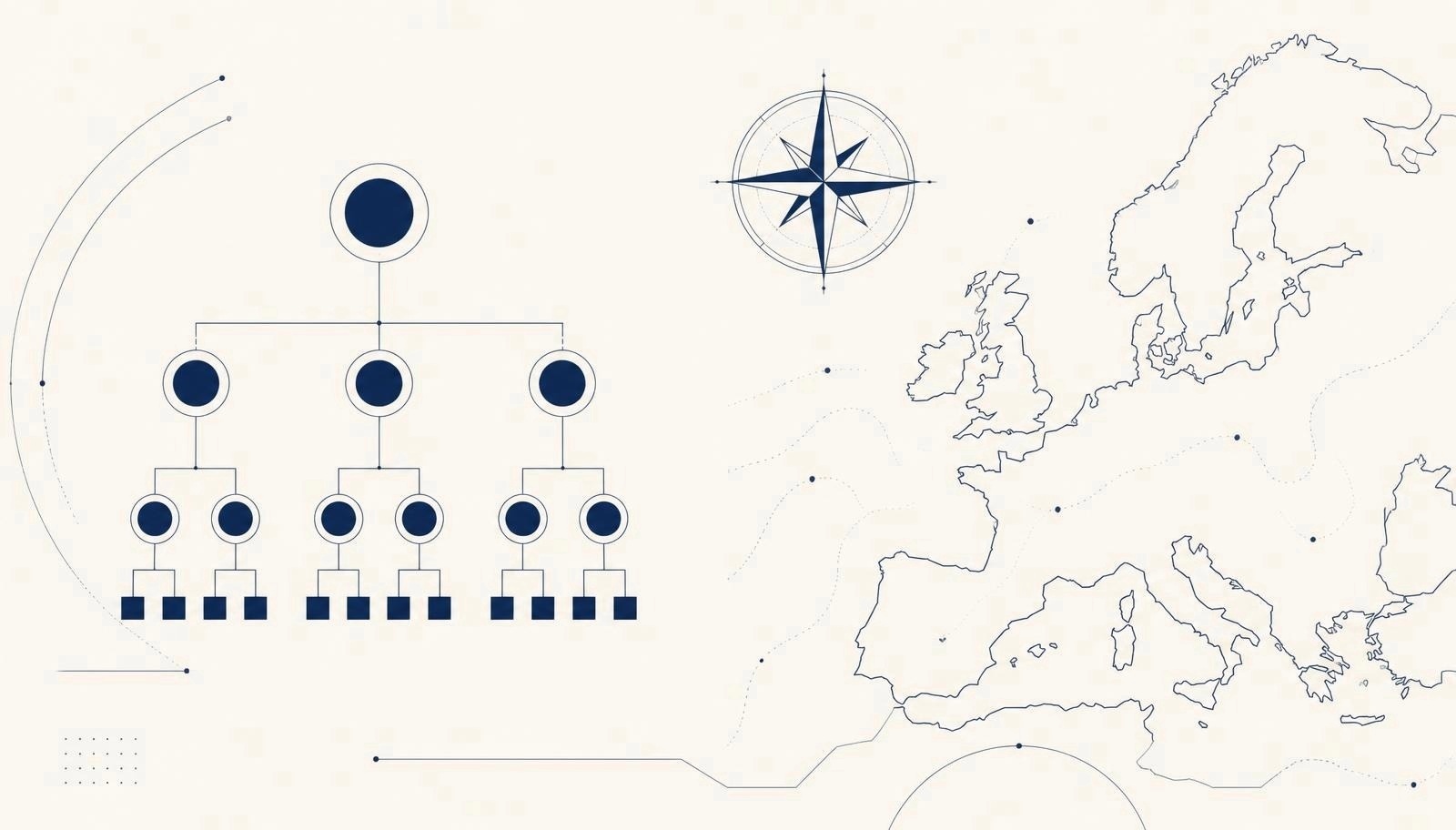
What Is ACO and SHAPE? NATO's Operational Command
Allied Command Operations (ACO) leads NATO's military operations and exercises, generating steady demand for support and logistics services from suppliers.

What is ACT and how do you win its contracts?
Allied Command Transformation (ACT), headquartered in Norfolk, drives NATO's future capabilities and innovation, making it the natural entry point for technology firms and research organisations.

What is NATO HQ and how does it procure services?
NATO HQ is the alliance's political and administrative headquarters in Brussels, procuring services, IT and expert support.

How NATO Procurement Works: A Supplier's Guide
A complete walkthrough of who buys what in NATO, how a procurement moves from requirement to contract, and how to build a realistic bid pipeline.

How to Register as an NSPA Supplier
A step-by-step guide to registering as an NSPA supplier and becoming genuinely bid-ready.

Security Clearances and Eligibility in NATO Procurement
What NATO security classification levels and eligibility requirements mean in practice for a bidder.

How to Read a NATO RFQ or IFB
A NATO request for quotation or invitation for bid is a dense, formal document, and misreading it leads to a rejected or unprofitable bid. Here is a practical method for parsing structure, requirements and the go/no-go decision.

NATO Framework Agreements and BOA
NATO framework agreements and Basic Ordering Agreements (BOA) are, for many companies, the most realistic way into NATO procurement without having to win one large flagship contract outright.

NCAGE Code and NATO Codification
An NCAGE code is a prerequisite for every supplier bidding into NATO procurement, and it underpins the wider NATO Codification System that identifies companies and products through NSNs. This article explains what it is and how a Finnish company obtains one.

STANAG Standards and Interoperability
STANAG standardization agreements determine how NATO forces and their equipment work together, and they show up directly as technical requirements in tenders.
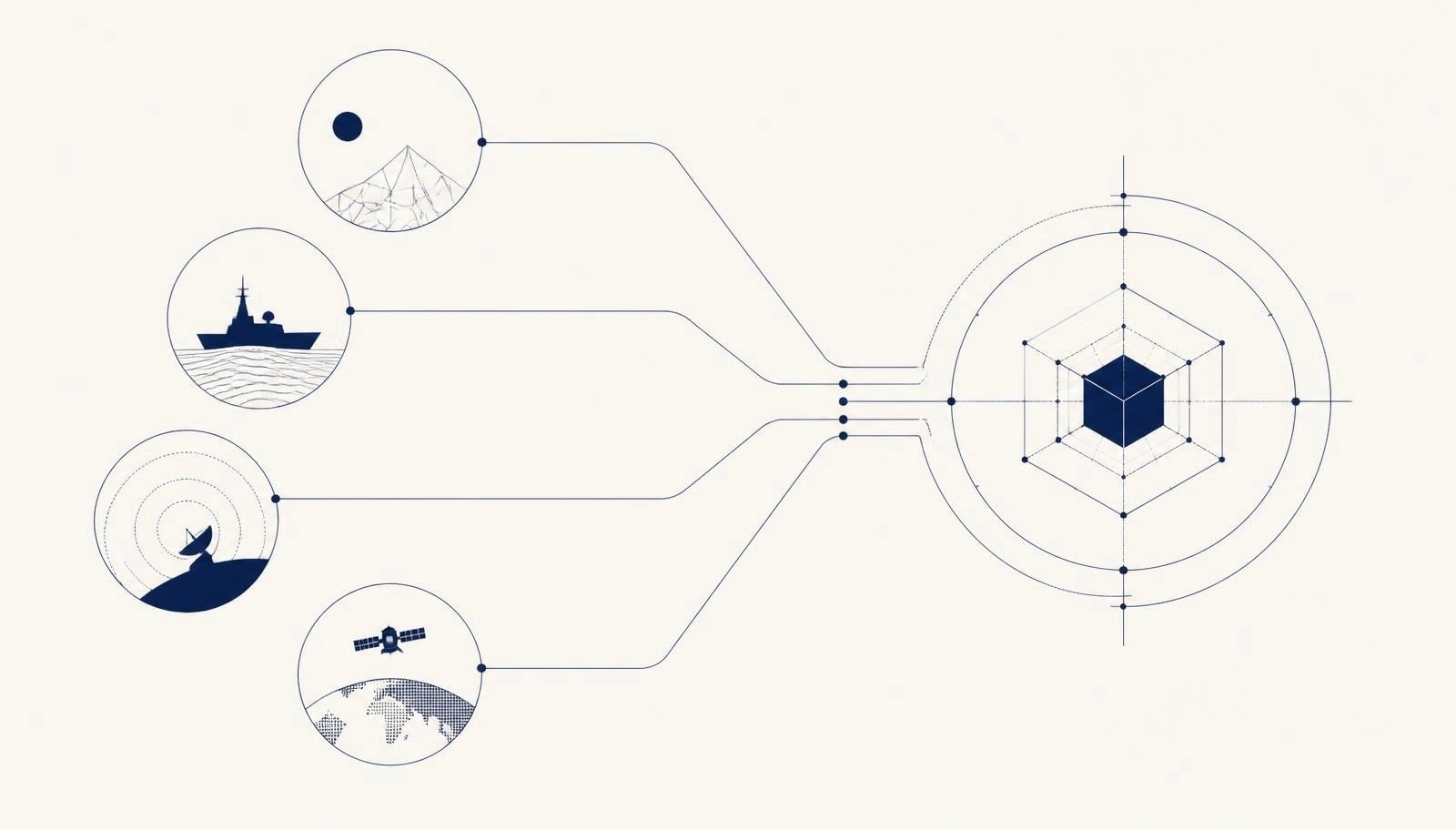
Consortiums and Subcontracting in NATO Bids
For many Finnish suppliers, the best route into NATO procurement is not a prime contract but a consortium or subcontracting role. This article explains when to lead and when to partner.

Pricing a NATO Tender: A Complete Guide
Pricing a NATO tender requires a clear cost structure, traceable figures and a solid grasp of contract types. This article explains how to build a price that is both competitive and profitable.

DIANA and NATO innovation funding
DIANA and the NATO Innovation Fund offer technology companies a route into the NATO market alongside formal tenders, for products that bridge civilian and defence use.

A Finnish Company Entering the NATO Market
A practical roadmap for Finnish companies considering the NATO market: assessing fit, registrations, references and a realistic timeline.

Writing a Winning NATO Bid
A good NATO bid is not a brochure but evidence: it shows requirement by requirement that the criteria are met. This article covers bid structure, compliance management and the writing practices that decide scores.

Export Control in NATO Supply Chains
Export licences, dual-use classification and end-user requirements often decide whether a NATO delivery can be made on time at all. This article explains what export control means in a supplier's daily work.