
What is ACO and what role does it play in NATO?
ACO, Allied Command Operations, is one of NATO's two strategic commands, responsible for planning, directing and conducting the Alliance's military operations. It is effectively NATO's operational sharp end: once the Alliance decides to act, ACO turns that political decision into military action.
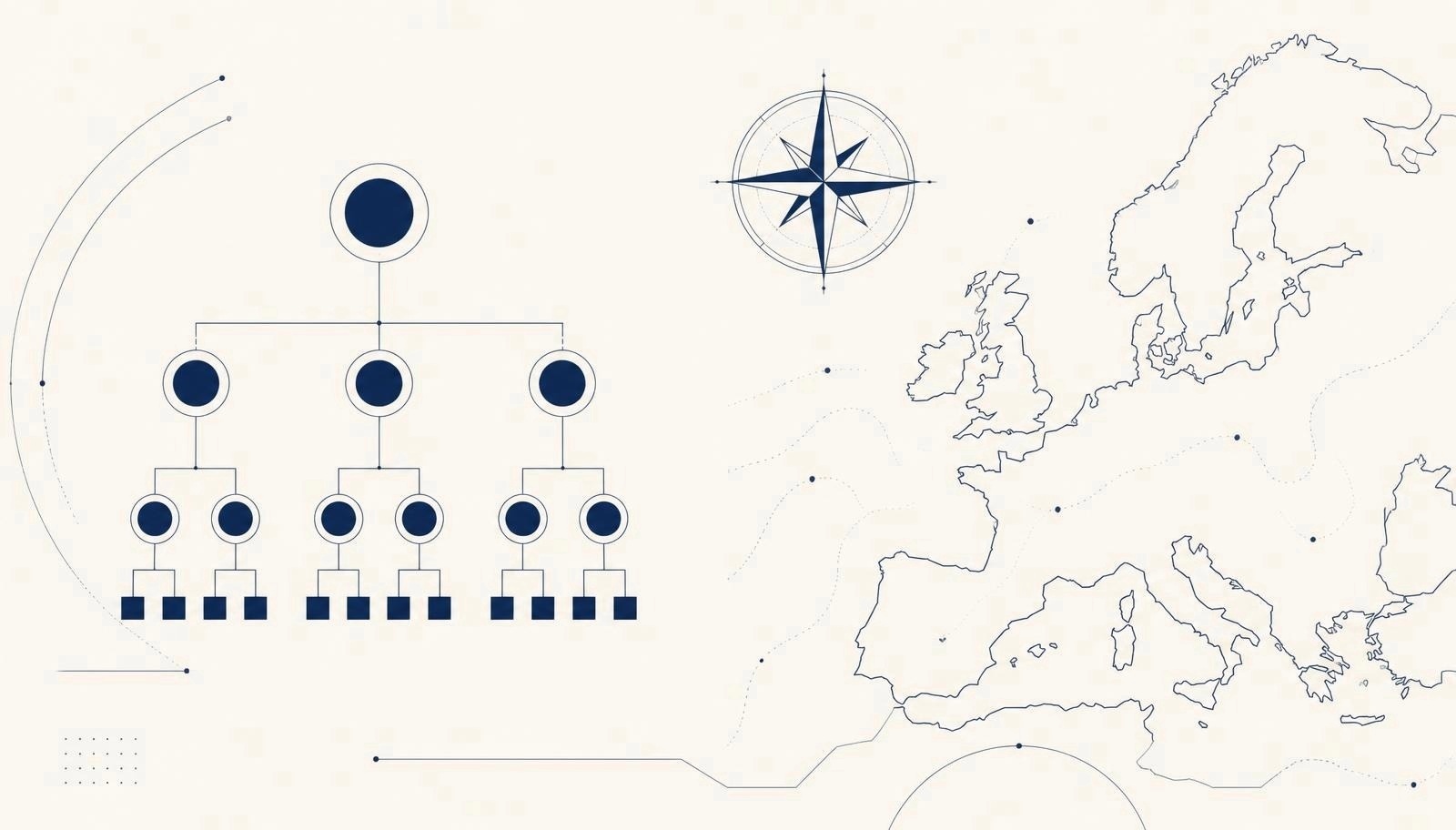
ACO is led by the Supreme Allied Commander Europe (SACEUR), traditionally a US general, and its headquarters, SHAPE (Supreme Headquarters Allied Powers Europe), is located in Mons, Belgium. SHAPE coordinates all activity under ACO and acts as the link between political leadership and military staffs.
How is ACO's command structure organized?
Under ACO sit several subordinate headquarters responsible for different geographic or functional areas. The structure includes operational commands that lead ongoing missions and standing forces, as well as specialized headquarters covering air policing, maritime operations and logistics.
This structure has evolved alongside Europe's security environment: in recent years the focus has shifted increasingly toward the defence of Allied territory and deterrence, which is reflected in the tasks and resourcing of these headquarters.
What all units under ACO have in common is a constant need for support: facilities, materiel, services and systems that it is not always practical to produce entirely in-house.
How does an operational command generate procurement demand?
ACO's activity and that of its subordinate headquarters is hands-on and continuous, which regularly generates different kinds of procurement needs. These typically arise from four sources.
- Exercises: large multinational exercises require accommodation, catering, transport, land use and temporary infrastructure.
- Base infrastructure: construction, maintenance and modernization of permanent and temporary bases.
- Local services: cleaning, security guarding, catering, waste management and other everyday base-support services.
- Communications and IT support: field communications, network connectivity and maintenance of operational systems in mission areas.
How do ACO's procurements differ from NSPA's and NCIA's?
ACO defines its own operational requirements, but the actual procurement process often runs through other NATO bodies. NSPA (NATO Support and Procurement Agency) executes much of the materiel, maintenance and logistics procurement, while NCIA (NATO Communications and Information Agency) handles communications and information systems procurement.
In practice this means an ACO requirement may appear as a tender issued directly by ACO or SHAPE, or indirectly as a competition published by NSPA or NCIA on the basis of an ACO operational requirement. Suppliers wanting to cover the full field of operational support should track all three sources in parallel.
What kinds of tenders typically arise through ACO?
Procurement linked to ACO and its subordinate units leans toward operational support rather than the acquisition of weapons systems themselves.
- exercise and simulation services, plus training technology
- accommodation, catering and transport services for troops
- force protection, security guarding and safety solutions
- field communications and IT support during operations
- logistics and maintenance services close to the area of operations
- construction and infrastructure maintenance at bases
- consulting, analysis and planning services
Why is ACO interesting for Finnish and Nordic suppliers?
Finnish and Nordic companies bring strong capabilities in simulation, training technology, force protection, field communications and operating in Arctic conditions. ACO's exercises and operations across Northern Europe and the Baltic Sea region create recurring, and growing, demand for exactly this expertise.
Finland's NATO membership has opened a direct route for Finnish companies to compete for these opportunities, and regional knowledge together with cold-weather expertise is often a genuine competitive advantage over bidders based further away.
How does Salpa help you track ACO procurement?
Salpa continuously monitors public procurement notices from ACO, SHAPE and the NSPA and NCIA processes that support them. The service analyses notices with AI and produces a clear summary in Finnish, Swedish or English, whichever language suits your team best.
You can define your own categories, such as field communications, logistics or infrastructure, so you only get an alert when a tender genuinely matches what your company offers. That means you no longer need to scroll through dozens of notices manually to find the handful that matter. Salpa offers a free 14-day trial with no commitment.